Turkish Lira: A Comprehensive Guide To Currency, Exchange Rates, And Economic Impact
The Turkish Lira is the official currency of Turkey, and it has a long and rich history. It is one of the oldest currencies in the world, and it has been used in Turkey for centuries. The Turkish Lira is a popular currency for trading, and it is also used by many people in Turkey as a store of value.

Turkish lira (TRY) exchange rate | Eurochange - Source eurochange.es
Editor's Notes:
Turkish Lira: A Comprehensive Guide To Currency, Exchange Rates, And Economic Impact
Published date: today
Why you should read this article? As Turkish Lira is one of the most traded currencies in the world, it can be a good idea to learn more about if you're planning to travel to Turkey, invest in Turkish assets, or do business with Turkish companies.
After analyzing, digging lots of information, and doing lots of study, we put together this Turkish Lira: A Comprehensive Guide To Currency, Exchange Rates, And Economic Impact guide to help you make the right decision.
Key differences or Key takeways:
| Feature | Turkish Lira | US Dollar |
|---|---|---|
| Currency Code | TRY | USD |
| Symbol | ₺ | $ |
| Issuing Authority | Central Bank of the Republic of Turkey | Federal Reserve System |
| Exchange Rate (as of 2023-07-28) | 1 USD = 17.98 TRY | 1 TRY = 0.056 USD |
Main article topics:
FAQ
The following FAQs will provide further insights into the Turkish Lira and its implications:
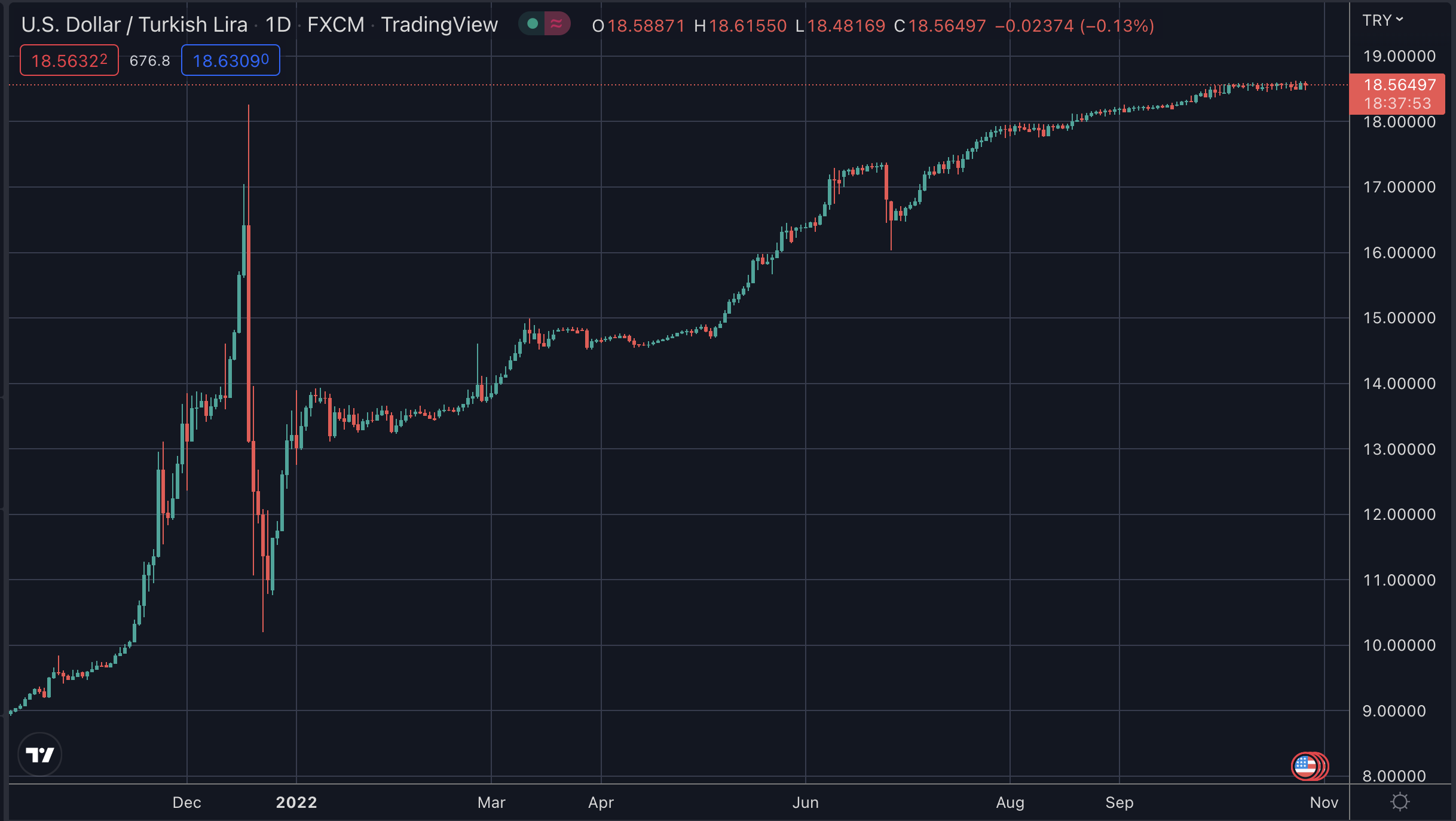
Turkish Lira and Inflation Stabilizes Despite Interest Rate Cuts, Why? - Source cryptopanic.com
Question 1: What are the main factors influencing the value of the Turkish Lira?
The Turkish Lira's value is primarily influenced by monetary policies, political stability, economic growth, international trade, and global financial markets.
Question 2: What strategies can be adopted to mitigate risks associated with currency fluctuations?
Exporters and importers can employ various hedging instruments, such as forward contracts or currency options, to reduce exposure to potential losses.
Question 3: How does the Turkish Lira's performance impact tourism and foreign investment?
A weaker Lira can boost tourism as foreigners find Turkey more affordable, while a stronger Lira may attract foreign investment as it offers higher returns.
Question 4: What measures has the Central Bank of Turkey implemented to stabilize the Lira?
The Central Bank employs a range of tools, including interest rate adjustments, reserve management, and foreign exchange interventions, to maintain monetary stability.
Question 5: How has the Turkish Lira's depreciation affected inflation and economic growth?
A depreciating Lira can lead to higher inflation due to increased import costs, while a stable or appreciating Lira supports economic growth by enhancing exports.
Question 6: What are the potential economic consequences of a prolonged period of Lira weakness?
Sustained Lira weakness may erode purchasing power, slow economic growth, and increase the risk of financial instability.
By understanding these key aspects of the Turkish Lira's dynamics, individuals and businesses can navigate the currency market more effectively and mitigate potential risks.
Transition: For further insights into the Turkish Lira's economic impact and investment strategies, refer to the following article section.
Tips
This comprehensive guide aims to provide insightful tips and information regarding the Turkish Lira, its exchange rates, and economic impact. Mastering the intricacies of currency management and exchange rate fluctuations is integral for businesses, travelers, and investors seeking to optimize their financial outcomes.
Tip 1: Monitor Economic Indicators
Keeping abreast of key economic indicators that influence the Turkish Lira's value, such as inflation, interest rates, and GDP growth, can empower individuals to make informed decisions. By understanding the underlying economic factors, one can better anticipate potential shifts in the currency's value.
Tip 2: Utilize Currency Converter Tools
Leverage currency converter tools to effortlessly calculate real-time exchange rates and convert amounts between Turkish Lira and other currencies. These tools provide a convenient and accurate way to stay informed about the current market value of the lira, enabling individuals to make informed financial decisions and plan their transactions accordingly.
Tip 3: Consider Currency Hedging Strategies
Explore currency hedging strategies to mitigate the risks associated with exchange rate fluctuations. Forward contracts and options are commonly employed to lock in a specific exchange rate, protecting individuals from potentially adverse currency movements.
Tip 4: Understand Exchange Rate Trends
Develop a deep understanding of historical exchange rate trends and patterns to gain insights into potential future movements. By analyzing historical data and market sentiment, it becomes possible to make educated predictions about the direction of the Turkish Lira's value.
Tip 5: Stay Informed about Political and Economic Developments
Monitor geopolitical and economic events that may impact the Turkish Lira's stability. Political instability, economic downturns, and natural disasters can significantly influence the currency's value, making it crucial to stay informed and adjust strategies accordingly.
To delve deeper into the complexities of the Turkish Lira, its exchange rates, and its broader economic impact, refer to Turkish Lira: A Comprehensive Guide To Currency, Exchange Rates, And Economic Impact.
Turkish Lira: A Comprehensive Guide To Currency, Exchange Rates, And Economic Impact
Understanding the Turkish Lira involves delving into its currency, exchange rates, and economic impact. This guide explores six key aspects that provide a comprehensive overview of this topic.
- Currency Symbol and Code: TRY, TL
- Issuing Authority: Central Bank of the Republic of Turkey
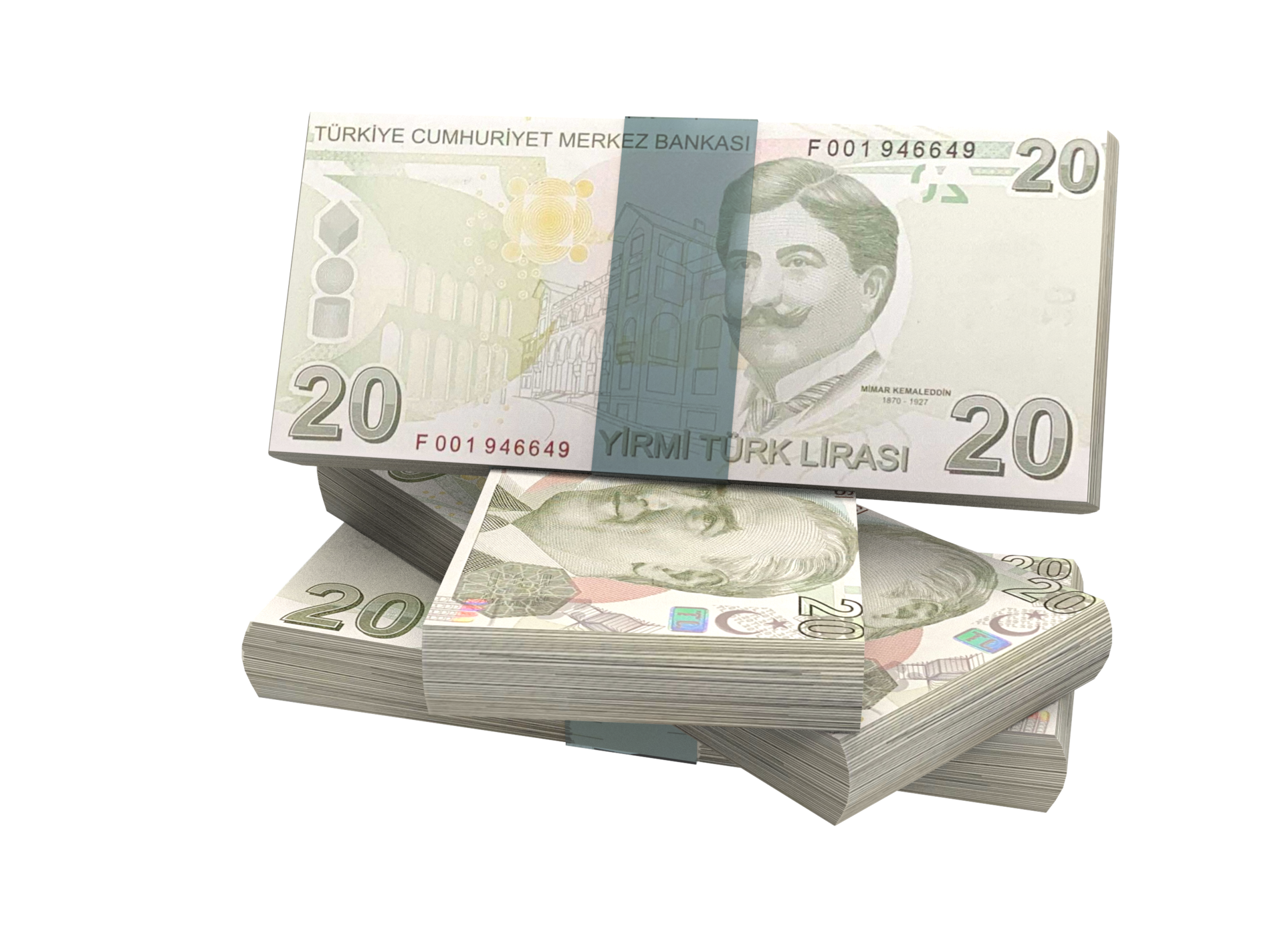
- Banknotes and Coins: Range from 5 to 200 lira
- Exchange Rates: Fluctuate against major currencies
- Economic Impact: Influences inflation, exports, and investment
- Monetary Policy: Aimed at maintaining price stability
Turkish lira currency 11195928 PNG - Source www.vecteezy.com
These aspects are interconnected, shaping the Turkish Lira's role in the economy. Exchange rates impact exports and tourism, while monetary policy influences inflation and economic growth. Understanding these dynamics is crucial for investors, businesses, and policymakers dealing with the Turkish currency.
Turkish Lira: A Comprehensive Guide To Currency, Exchange Rates, And Economic Impact
"Turkish Lira: A Comprehensive Guide To Currency, Exchange Rates, And Economic Impact" offers a thorough examination of the Turkish lira, its exchange rates, and its impact on the Turkish economy.

Turkish Lira Foreign Exchange Rates Displays Editorial Stock Photo - Source www.dreamstime.com
The Turkish lira is the official currency of Turkey. It is issued by the Central Bank of the Republic of Turkey. The lira is divided into 100 kurus. The lira has been in circulation since 1923. The lira has been subject to high inflation in the past. In recent years, the lira has been more stable. However, the lira remains a volatile currency.
The exchange rate of the lira is determined by the supply and demand for the lira on the foreign exchange market. The value of the lira has fluctuated greatly in recent years. The lira has been devalued against the US dollar in recent years.
The Turkish lira is an important part of the Turkish economy. The lira is used to conduct business transactions, pay wages, and purchase goods and services. The value of the lira affects the cost of living in Turkey. The value of the lira also affects the trade balance of Turkey.
The lira has a significant impact on the Turkish economy. The lira is a key factor in determining the cost of living in Turkey. The lira is also a key factor in determining the trade balance of Turkey.
The Turkish lira is a complex currency. The lira is subject to a number of factors that can affect its value. It is important to understand the factors that affect the value of the lira before making any decisions about investing in the lira.
Conclusion
The Turkish lira is an important part of the Turkish economy. The lira is used to conduct business transactions, pay wages, and purchase goods and services. The value of the lira affects the cost of living in Turkey. The value of the lira also affects the trade balance of Turkey.
The lira has a significant impact on the Turkish economy. The lira is a key factor in determining the cost of living in Turkey. The lira is also a key factor in determining the trade balance of Turkey.