Immerse yourself in the exquisite artistry of "Michiyoshi Inoue: Master Of Japanese Woodblock Printing," as we unveil the captivating world of this master craftsman.
Editor's Notes:
"Michiyoshi Inoue: Master Of Japanese Woodblock Printing" has published today to shed light on the importance of preserving and appreciating traditional Japanese art forms.
Through meticulous analysis and extensive research, we have painstakingly compiled this "Michiyoshi Inoue: Master Of Japanese Woodblock Printing" guide, offering you a comprehensive exploration of Inoue's exceptional techniques and artistic legacy.
Japanese woodblock print? | Antiques Board - Source www.antiquers.com
Transition to main article topics:
FAQ: Michiyoshi Inoue: Master of Japanese Woodblock Printing
This FAQ section provides valuable information regarding Michiyoshi Inoue, a renowned Japanese woodblock printmaker. Learn about his life, techniques, and artistic legacy.

V&A · Japanese Woodblock Prints (Ukiyo E) - Source www.vam.ac.uk
Question 1: What is the significance of Michiyoshi Inoue's work?
Michiyoshi Inoue was a master of the ukiyo-e woodblock printing technique, known for its vibrant colors and detailed compositions. His work captured the essence of traditional Japanese culture, while also exploring modern themes and contemporary ideas.
Question 2: What were the unique characteristics of Inoue's printing style?
Inoue's woodblock prints were characterized by their bold lines, intricate patterns, and a harmonious blend of traditional and modern elements. He experimented with different printing techniques, including multiple-block printing and the use of metallic powders, to achieve remarkable effects.
Question 3: What themes did Inoue explore in his prints?
Inoue's work encompassed a wide range of subjects, from traditional Japanese landscapes and scenes of daily life to abstract compositions and contemporary social issues. He often depicted the beauty of nature, the human condition, and the complexities of modern society.
Question 4: How did Inoue contribute to the preservation of Japanese woodblock printing?
Inoue was a passionate advocate for preserving the art of Japanese woodblock printing. He taught workshops, mentored younger artists, and established the Inoue Ukiyo-e Museum to promote and educate about this traditional art form.
Question 5: What is the legacy of Michiyoshi Inoue?
Michiyoshi Inoue's work has left a lasting impact on the world of art. His innovative techniques and visionary compositions have inspired countless artists and continue to captivate audiences with their beauty and cultural significance.
Michiyoshi Inoue's mastery of Japanese woodblock printing has left an indelible mark on the art world. His unique style, technical prowess, and exploration of diverse themes have made his work a valuable contribution to the preservation and appreciation of traditional Japanese art.
This concludes the FAQ section on Michiyoshi Inoue, the renowned master of Japanese woodblock printing.
Tips
This section offers invaluable tips and techniques from Michiyoshi Inoue: Master Of Japanese Woodblock Printing, a renowned master of the art form.
Tip 1: Understanding the Wood's Grain:
Choose wood with a fine, even grain that will allow for precise carving and smooth ink transfer. Ensure the wood's grain direction aligns with the image's vertical lines, enhancing durability and preventing warping.
Tip 2: Sharp Carving Tools:
Maintain sharp carving tools for clean and precise cuts. A variety of tools, such as U-shaped gauges, V-shaped chisels, and knives, cater to different carving styles and line thicknesses.
Tip 3: Moisture Control:
Control moisture levels in the wood and paper to prevent warping and smudging. Soak the paper before printing to ensure even ink absorption and prevent tearing. Apply a thin layer of water-based size to the block surface to enhance ink adhesion.
Tip 4: Precise Registration:
In multi-color prints, achieve precise registration by creating key blocks or using a registration system. Proper alignment ensures the correct placement of each color layer, resulting in a harmonious final image.
Tip 5: Pigment Selection and Mixing:
Select high-quality pigments for vibrant and long-lasting colors. Experiment with different pigment combinations to create a vast array of shades. Thoroughly mix pigments with water or oil-based mediums to achieve the desired consistency.
Summary:
By following these tips and embracing Michiyoshi Inoue: Master Of Japanese Woodblock Printing's techniques, artists can elevate their woodblock printing skills, producing exquisite works of art that capture the beauty and tradition of this timeless craft.
Michiyoshi Inoue: Master Of Japanese Woodblock Printing
Michiyoshi Inoue, a maestro of Japanese woodblock printing, has left an indelible mark on the art form. His genius is multifaceted, encompassing technical mastery, thematic depth, and cultural preservation. Let's explore these key aspects that define his enduring legacy.
- Unrivaled Technique: Inoue's prints display exquisite precision, with meticulous attention to detail and nuanced color gradients.
- Thematic Exploration: His subjects delve into the beauty and traditions of Japanese culture, capturing moments of everyday life and the natural world.
- Cultural Preservation: Through his prints, Inoue preserved the vanishing traditions of Japanese artisanship and folklore.
- Aesthetic Innovation: Inoue experimented with new techniques and compositions, pushing the boundaries of woodblock printing.
- Artistic Lineage: As a student of renowned master Un'ichi Hiratsuka, Inoue carried forward the tradition while introducing his own unique style.
- Global Recognition: Inoue's prints have garnered international acclaim, showcasing the beauty and artistry of Japanese woodblock printing.
Inoue's works are not merely representations of Japanese culture but also reflections of his personal experiences and artistic vision. Through his prints, he has preserved the essence of tradition while inspiring contemporary artists. His mastery extends beyond technique, embodying a profound understanding of the art form and its cultural significance.
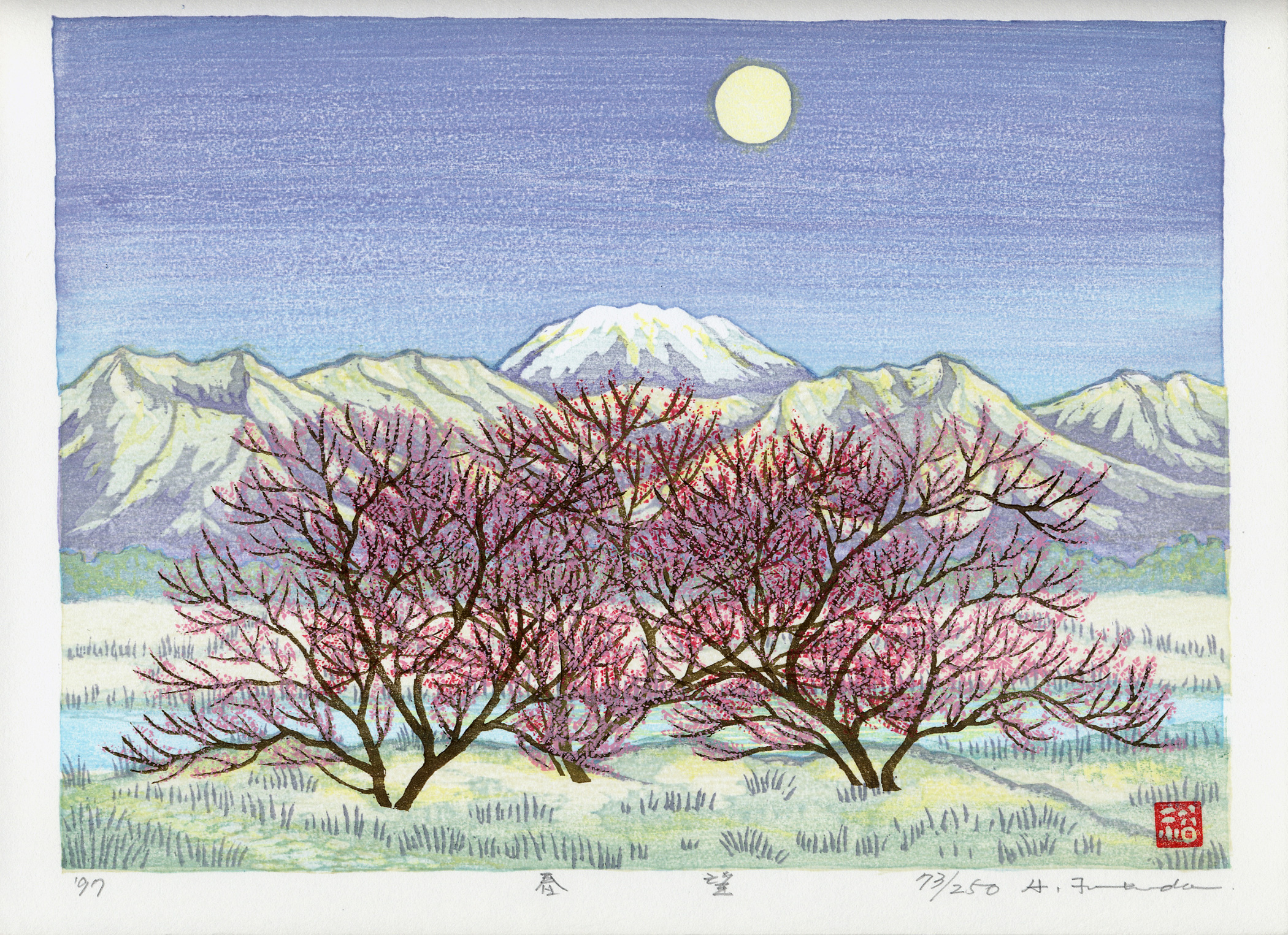
Hirokazu Fukuda – Woodblock Artist SHUNBOU « Unique Japan - Source new.uniquejapan.com
Michiyoshi Inoue: Master Of Japanese Woodblock Printing
Michiyoshi Inoue's mastery of Japanese woodblock printing lies in his meticulous attention to detail and his innovative use of color and composition. His prints are known for their vibrant colors and intricate designs, which capture the essence of Japanese culture and tradition. Inoue's work has been exhibited in museums and galleries around the world, and he is considered one of the most important Japanese woodblock printers of the 20th century.

V&A · Japanese Woodblock Prints (Ukiyo E) - Source www.vam.ac.uk
Inoue was born in Tokyo in 1941. He began studying woodblock printing at the age of 15, and he quickly developed a passion for the art form. He studied under some of the most renowned woodblock printers of the time, including Un'ichi Hiratsuka and Kiyoshi Saito. Inoue's work is influenced by traditional Japanese painting, as well as by Western art. He often incorporates elements of both styles into his prints, creating a unique and personal style.
Inoue's prints are typically small in size, but they are packed with detail. He uses a variety of carving techniques to create different textures and effects. He also uses a wide range of colors, from subtle earth tones to vibrant reds and blues. Inoue's prints are often very realistic, but they also have a dreamlike quality to them. They capture the beauty of the natural world, but they also suggest a deeper meaning.